TMJ Pain and Disorders
Temporomandibular Joint (TMJ) disorders comprise a class of musculoskeletal and neuromuscular conditions affecting the jaw joints and the surrounding muscles that control chewing and jaw movement. Often stemming from a complex interplay of jaw misalignment, teeth grinding or clenching (bruxism), arthritis, or acute jaw trauma, TMJ dysfunction manifests through symptoms such as persistent jaw pain, chronic facial aching, difficulty or discomfort while chewing, and audible clicking or locking of the joint. In addition to localized pain, the tension can radiate outward, frequently triggering tension headaches, neck stiffness, and earaches that are easily mistaken for ear infections.
Conservative treatments typically focus on non-invasive management—including custom nightguards to relieve joint load, physical therapy, stress reduction strategies, and anti-inflammatory support—to alleviate pain and restore normal jaw mobility.
The symptoms of TMJ Disorders may include:
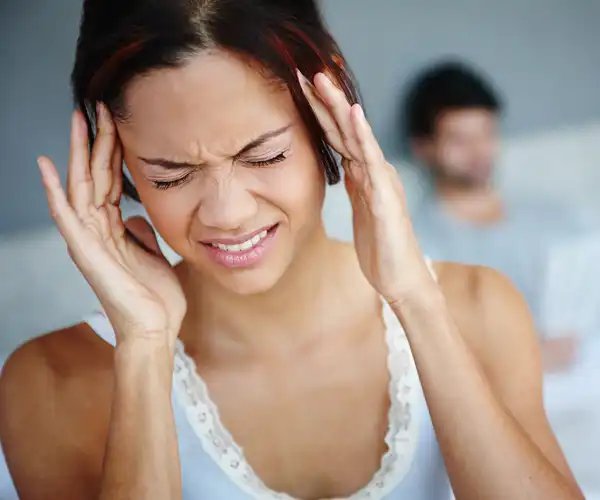
- pain in the jaw muscle and jaw joint
- clicking noises
- jaw locking
- difficulty in opening the mouth
- pain during chewing and talking
- headache
- earache
What causes TMD?
There is a complex interplay of multiple factors that leads to TMD. Some of which are as listed.
- Trauma (falls, knock, accidents, whiplash)
- Continuous deep pain – neck pain, back pain
- Teeth grinding and clenching
- Emotional stress and anxiety
- Sleep disturbances
- Posture and unaccustomed use
- Occlusion/bite
- Degenerative diseases as osteoarthritis
Temporomandibular disorders (TMD) is collective term used for number conditions affecting jaw muscles and jaw joint. It often presents as pain, discomfort and dysfunction of jaw joint and jaw muscles.
A detailed examination is required to find the affected structures and to identify predisposing, initiating and perpetuating factors. It is important to related pain and dysfunction to muscle, joint or both. Accurate diagnosis is the key to management.
TMD therapy encompasses:
- Identifying cause and involved factors
- Awareness of damaging habits
- Self-care therapies – soft diet, moist heat, massage & stretches
- Pain management
- Sleep
- Stress management
- Physical therapy
- Behaviour changes
- Protecting your teeth
- Coordinated care with other health professionals
The longer the pain and dysfunction remain, the more challenging and time required to manage the conditions. It is important to seek care at the earliest.